City Pollution is Dominating The Headlines (Again!)
Author: Ben Richardson, CEO at Sulnox Group Plc
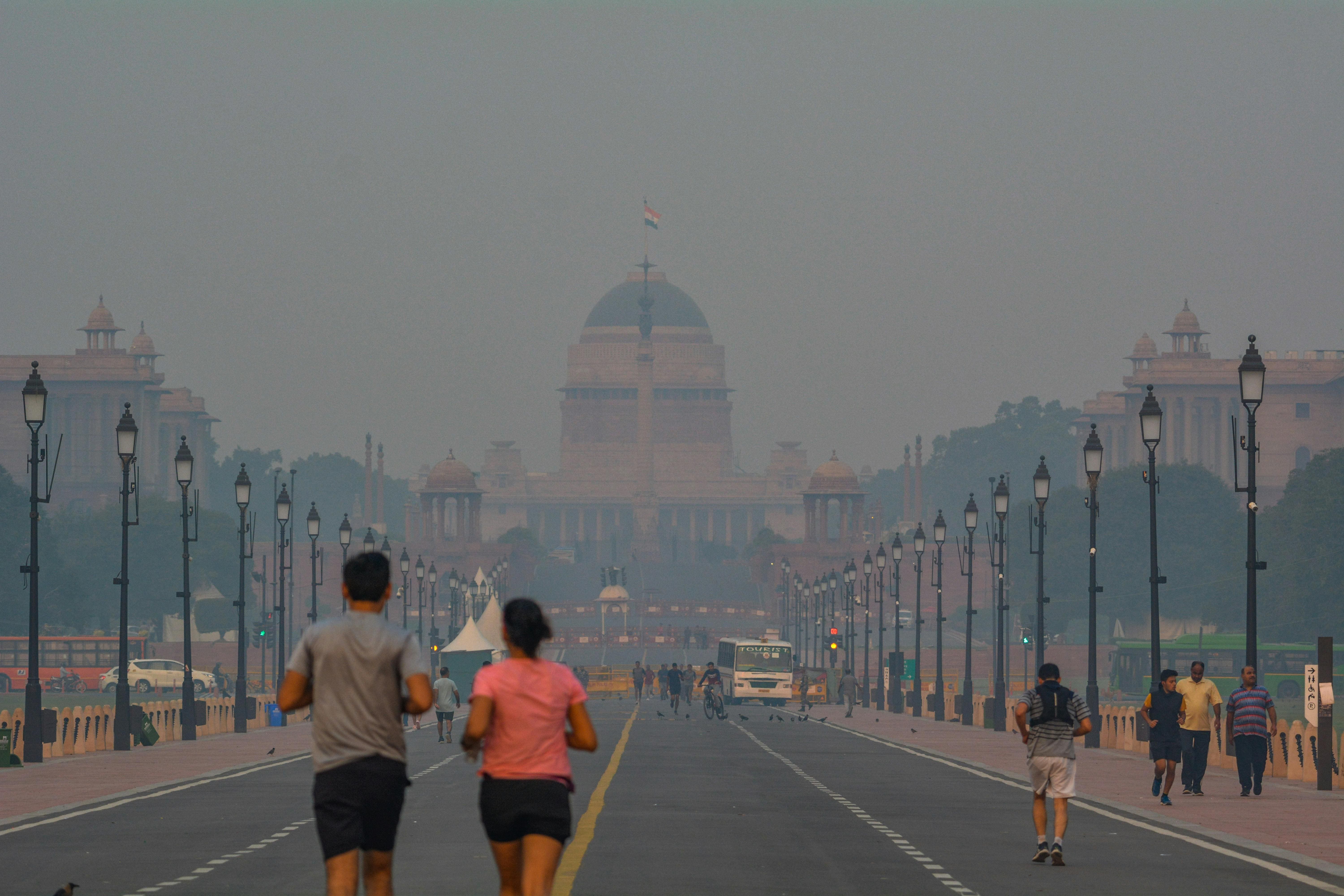
Every year, around this time, we see the same headlines from India hitting our news.
“India air quality alert”(IQ Air)
“Air pollution in India is no longer just a Delhi or Mumbai problem” (Bloomberg UK)
“Lethal smog is back in the world’s most polluted capital. Residents have had enough.” (CNN)
It’s heartbreaking to witness from afar and devastating for the millions who live through it daily. India’s pollution crisis is one of the most widely reported. Yes, it’s severe but those levels push beyond what monitoring systems were even designed to record. The detrimental impact it has to millions daily is astounding. But sadly, the story doesn’t stop at India. Increasingly, cities all over the world are wrestling with the same core issue of rising health impacts of pollution driven heavily by human activity, especially road transport.
Challenges Across Our Planet
For example, when we look at America, The American Lung Association’s State of the Air 2025 confirms fine particulate matter (PM2.5) from cars and trucks is a major source of city-level pollution, contributing directly and indirectly through ozone formation, according to the Union of Concerned Scientists.
EPA national emissions data shows that while long-term progress has been made, transportation still remains the largest emitter of global warming pollution, with 37.4% of U.S. CO₂ emissions coming from vehicles as recently as 2022, all from fossil fuel combustion.
European cities are facing their own challenges. Road transport is confirmed as the main source of NO₂ pollution, especially in densely populated urban areas. Monitoring in 2023–2024 shows that most exceedances of the EU and WHO guidelines for NO₂ come from roadside stations. This is why measures like London’s ULEZ, Paris’s low‑emission traffic restrictions, and Milan’s congestion zone were introduced as cars and vans remain dominant drivers of urban pollution.
Rapidly growing African cities are also experiencing worsening PM2.5 levels due to higher traffic volumes, older vehicles, and the lack of strict emission controls. Clean Air Fund reports confirm that as urbanisation speeds up, millions more people will be exposed to harmful air.
Cairo, for instance, is frequently among the most polluted capitals due to its congestion and heavy reliance on older vehicles, which significantly increases particulate emissions.
When we look at Asia, India’s air quality crisis continues to dominate global headlines for good reason. WHO (World Health Organisation) estimates show that 99% of the world’s population lives in areas exceeding its guideline limits for air pollution, and India is one of the hardest hit.
One of Our Biggest Threats
Across all regions, one factor repeatedly appears… urban transport.
Yes, pollutants are unpleasant, but they are also extremely dangerous. Vehicles are often the largest urban source of nitrogen oxides and carbon monoxide poisoning, also contributing a large share of the particulate pollution (the black smoke you can see coming out of an exhaust), or the invisible PM2.5s, which don't obey gravity.
They get taken into lungs and can go into bloodstreams, causing heart attacks and strokes across the globe.
This continues to be one of the biggest threats to public health.
Multiple studies confirm that those living closest to major roads are often lower‑income neighbourhoods, and these are the ones who are disproportionately exposed to high pollution levels. These residents typically have higher exposure, fewer options to relocate, and far greater underlying health vulnerabilities.
This pattern repeats globally, from Los Angeles to London to Lagos.
What Are Countries Proactively Doing?
This is a monumental challenge our planet is facing. One of our own doing and something that’s affecting billions of people every day. We have a responsibility to put measures in place which can reduce the impact and ultimately, solve this crisis.
Around the world, we’ve seen some really innovative steps being put in place. For example, when we look at cities such as London, Paris, or Milan, they are actively restricting the most polluting vehicles from entering central areas. These zones typically ban or charge high‑emitting diesel vehicles and have lead to impactful reductions in NO₂ and PM2.5, promoting cleaner air for residents, workers and tourists.
Even when I look at my closest city, London, we’ve seen a huge announcement on the pedestrianisation of one of our most iconic (and busiest) shopping streets. For years, this has been a major road in the City of Westminster in the West End of London, running between Marble Arch and Tottenham Court Road with significant traffic and over 300 buses an hour driving through it. The London Mayor has announced plans to pedestrianise the street and “ban traffic by the end of this summer” (according to BBC News).
In other cities like Shenzhen or Los Angeles, there are huge investments being driven into the electrification of public buses which travel all over the cities every day. This is huge as it directly removes a major PM source.
By moving away from vehicles completely, we’re also seeing cities spend big on campaigns to encourage populations to walk or cycle as opposed to drive. Bogotá is expanding cycle lanes and other cities like Copenhagen have world-leading bike infrastructure. It’s healthier from a movement perspective as well as actively reducing emissions across cities.
Overall, it’s great to see cities implementing stricter emissions standards to cut pollution and even focusing on other things that can create a more balanced environment such as creating green corridors and increasing green spaces to improve air dispersion.
Looking back, cities around the world were built for a very different era… long before the explosion of private car ownership, cab‑hailing, rapid urbanisation, and freight-heavy e‑commerce. Retrofitting a city for cleaner air is complex, costly, requires major political will and often faces resistance.
And change takes time, sometimes even decades.
But the urgency is clear. Air pollution is causing a major health emergency.
How Could Sulnox Help the Air Pollution Crisis?
While large-scale structural changes are essential, innovative solutions are also encouraging progress. Products like Sulnox Eco™ support this transition by making combustion cleaner. Using technology that helps fuel burn more completely means that we’re able to help millions with reduced black carbon and particulate emissions, lower NOx formation, improvement in fuel efficiency (road vehicles report ~9% savings on average) and a smoother, more efficient drive overall.
Even as electric adoption grows, millions of vehicles will still rely on combustion for years to come, especially in developing regions. Cleaner combustion is a meaningful, scalable bridge solution.
Progress NEEDS To Be Made
So, whilst we’re seeing India’s air quality hit the headlines once again, it’s crucial we all remember that air pollution is so much more than a seasonal headline. From Delhi to Los Angeles, London to Cairo, our cities are facing the consequences of decades of traffic growth, industrial expansion, and rapid urbanisation.
Progress looks different across the planet and ranges from stricter standards, cleaner fleets, pedestrian-first planning, to innovative solutions that cut emissions quickly.
The challenge is huge, but solvable. And every measure has a role to play in improving the air billions breathe each day. Everyone has a right to clean air.
More Perspectives
All Perspectives